Navigating the healthcare landscape in Australia requires a clear understanding of financial commitments, especially for essential procedures like vision restoration. As we look at the Cataract Surgery Cost 2026: A Complete Guide to Average Prices and Fees, patients are finding a market influenced by advanced lens technology and shifting Medicare benchmarks. Whether you are opting for the public system or seeking the precision of private ophthalmology, understanding the breakdown of surgeon fees, hospital costs, and anaesthetist charges is critical for informed decision-making.
See more: What Age Is Best for Cataract Surgery? Expert Insights
Understanding Cataract Surgery in 2026
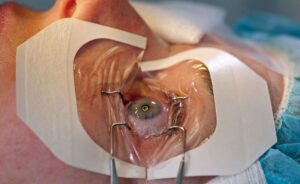
A cataract occurs when the eye’s natural lens becomes cloudy, leading to blurred vision and increased glare. Surgery is the only definitive treatment, involving the removal of the cloudy lens and the insertion of a synthetic Intraocular Lens (IOL).
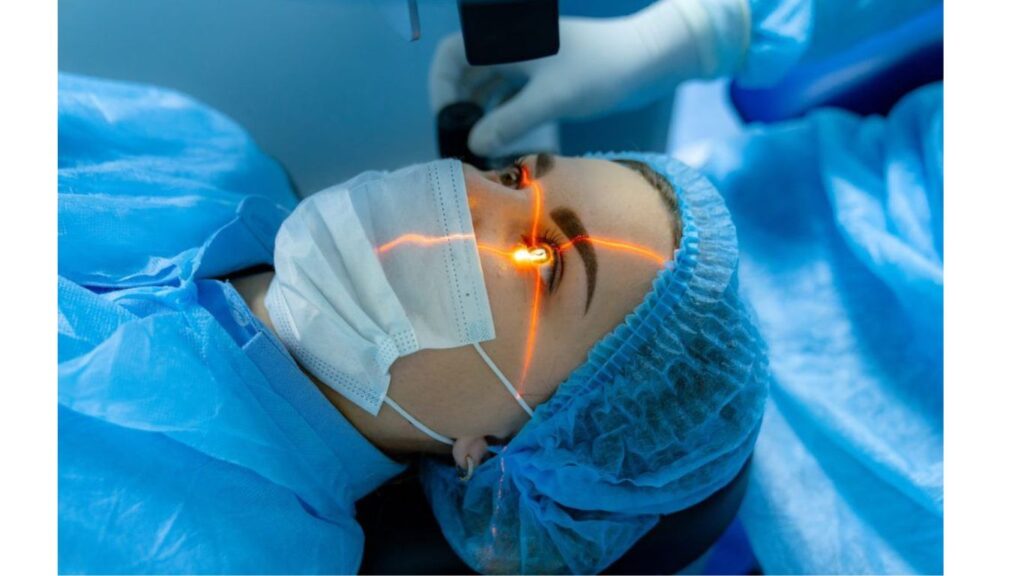
By 2026, surgical techniques have become minimally invasive, often utilizing femtosecond laser-assisted platforms to improve precision. However, these advancements come with varying price points. In Australia, the total cost is determined by your choice of doctor, the type of lens implanted, and your level of private health insurance.
The Cost Components of Cataract Surgery
When reviewing a quote for eye surgery, the “total price” is rarely a single fee. It is a compilation of several professional and facility charges:
- Surgeon’s Fee: The cost for the ophthalmologist’s expertise and the procedure itself.
- Anaesthetist’s Fee: Vital for patient comfort, usually billed separately from the surgeon.
- Hospital or Day Surgery Fee: Covers the use of the operating theatre, nursing staff, and consumables.
- Intraocular Lens (IOL) Cost: The price of the artificial lens. This varies significantly between standard monofocal and premium trifocal or “Extended Depth of Focus” (EDOF) lenses.
- Diagnostic Testing: Pre-operative measurements (biometry) used to calculate the correct lens power.
Average Price Breakdown in Australia (Estimated 2026)
| Service Category | Private (No Insurance) | Private (With Insurance) | Public (Medicare) |
| Surgeon Fee | $2,500 – $4,500 | $0 – $2,000 (Gap) | $0 |
| Hospital Fee | $2,000 – $3,500 | Covered (Usually) | $0 |
| Anaesthetist | $600 – $1,200 | $0 – $500 (Gap) | $0 |
| Premium Lens Upgrade | $500 – $1,500 | $500 – $1,500 | N/A |
| Total per Eye | $5,600 – $10,200 | $500 – $4,000 | $0 |
Medicare and Private Health Insurance: How They Lower Costs
The Australian healthcare system provides several pathways to manage the Cataract Surgery Cost 2026: A Complete Guide to Average Prices and Fees.
The Public Pathway (Medicare)
If you choose to be treated as a public patient, Medicare covers the full cost of the surgery. However, the trade-off is often a significant waiting period, which can range from several months to over a year depending on your region (e.g., New South Wales vs. Queensland). Furthermore, you generally cannot choose your surgeon or opt for premium lifestyle lenses.
The Private Pathway
Private surgery offers immediate access and surgeon choice. Medicare will still contribute a portion of the “Schedule Fee” for the surgeon and anaesthetist. If you have “Silver” or “Gold” level hospital cover, your insurer typically pays for the hospital stay and the cost of a standard monofocal lens. Your main expense will be the “Gap”—the difference between what the doctor charges and what Medicare/Insurance covers.
Premium Lens Options and Their Financial Impact
In 2026, many patients opt for “refractive cataract surgery,” which aims to eliminate the need for glasses entirely.
- Monofocal Lenses: Included in most basic insurance plans. They provide clear vision at one distance (usually far).
- Trifocal/Multifocal Lenses: These allow for clear vision at near, intermediate, and far distances. These often incur an additional “out-of-pocket” lens fee because they are considered a lifestyle upgrade.
- Toric Lenses: Specifically designed to correct astigmatism. These are now standard in many private practices but may carry a slight premium over basic monofocals.
The Step-by-Step Financial Process
Planning for the Cataract Surgery Cost 2026: A Complete Guide to Average Prices and Fees involves a logical sequence:
- Initial Consultation: Expect to pay between $200 and $400 for a comprehensive eye exam. A portion is refundable via Medicare.
- The Quote (Informed Financial Consent): Your surgeon must provide a written breakdown of all fees.
- Insurance Verification: Contact your health fund with the “MBS Item Numbers” (usually 42702) provided by the clinic to confirm your level of cover.
- The Procedure: Payment for the “Gap” is typically required prior to or on the day of surgery.
- Post-Operative Care: Usually, the first few follow-up visits are included in the initial surgical fee, but confirm this with your clinic.
Common Mistakes to Avoid When Estimating Costs
- Ignoring the “Gap” Fee: Don’t assume that having private health insurance means $0 out-of-pocket. Always ask for the “Known Gap.”
- Not Factoring in Both Eyes: Cataracts usually affect both eyes. Remember to double your estimated costs if both require surgery.
- Checking Only the Surgeon’s Price: Many patients forget the hospital and anaesthetist fees, which can double the total investment if not covered by insurance.
- Waiting Too Long: Delaying surgery can lead to hyper-mature cataracts, which are more difficult (and sometimes more expensive) to remove due to the need for specialized equipment.
Best Practices for Managing Your Vision Investment
To ensure you get the best value and clinical outcome:
- Request a Detailed Quote: Ensure it includes MBS item numbers for Medicare claims.
- Compare Lenses, Not Just Prices: A cheaper surgery with a basic lens might result in a lifetime of paying for expensive prescription glasses.
- Use Your Health Fund Portals: Most Australian insurers now have “Find a Provider” tools that highlight surgeons with “No Gap” or “Known Gap” arrangements.
Frequently Asked Questions (FAQ)
1. Is cataract surgery covered by Medicare in 2026?
Yes, Medicare covers cataract surgery in public hospitals. In private settings, Medicare pays 75% of the scheduled fee, while your private health insurance or you cover the remainder.
2. Why is there such a large price range for private surgery?
The range is dictated by the surgeon’s experience, the technology used (Laser vs. Manual), and the complexity of the lens (Monofocal vs. Trifocal).
3. Does private health insurance cover premium lenses?
Most insurers cover the cost of a standard lens. If you choose a premium multifocal or EDOF lens, you will likely need to pay a “top-up” fee to the hospital or clinic.
4. Are there tax offsets for cataract surgery in Australia?
While the Net Medical Expenses Tax Offset has been phased out, you should consult a tax professional regarding any potential disability or aged care related deductions.
5. Can I use my superannuation to pay for the surgery?
Under “Compassionate Grounds,” some Australians may access their superannuation to pay for essential medical procedures like cataract surgery if they are in chronic pain or facing vision loss and cannot afford treatment.
Conclusion: Investing in Your Vision
Understanding the Cataract Surgery Cost 2026: A Complete Guide to Average Prices and Fees is the first step toward reclaiming your quality of life. While the public system offers a cost-free solution for those who can wait, the private sector provides tailored visual outcomes through advanced technology. By obtaining a detailed quote, checking your insurance status, and weighing the benefits of premium lenses, you can turn a complex medical expense into a rewarding investment in your future.
Internal Linking Suggestions:
- cataract surgery recovery tips
- choosing the right ophthalmologist in Australia
- types of intraocular lenses explained
External Reference Suggestions:
- The Royal Australian and New Zealand College of Ophthalmologists (RANZCO)
- Australian Government Department of Health – Medical Services Advisory Committee