
Laser eye surgery has revolutionized vision correction, offering millions the freedom to see clearly without glasses or contact lenses. While it may seem like magic to some, there’s a fascinating science behind how these procedures reshape the eye to improve vision. Understanding the science can help patients feel more confident and informed about their choices.
This article explores the mechanics of laser eye surgery, real patient experiences, recovery, and long-term benefits, giving a complete picture of how modern technology transforms eyesight.
What Is Laser Eye Surgery?
Laser eye surgery is a medical procedure that reshapes the cornea — the clear, dome-shaped front part of the eye — so light entering the eye focuses correctly on the retina. This correction helps resolve common vision issues such as:
- Nearsightedness (myopia)
- Farsightedness (hyperopia)
- Astigmatism
By adjusting the cornea’s curvature, light can properly focus, giving clearer, sharper vision without relying on glasses or contact lenses.
Types of Laser Eye Surgery
- LASIK (Laser-Assisted In Situ Keratomileusis)
LASIK is the most popular procedure. A thin flap is created in the cornea, the underlying tissue is reshaped with a laser, and the flap is repositioned. Recovery is fast, with most patients seeing clearly within 24–48 hours. - PRK (Photorefractive Keratectomy)
PRK removes the cornea’s outer layer before reshaping the underlying tissue. Recovery takes longer, often 1–2 weeks, but it’s ideal for patients with thinner corneas or active lifestyles. - SMILE (Small Incision Lenticule Extraction)
SMILE is a minimally invasive procedure where a small lenticule (lens-shaped tissue) is removed through a tiny corneal incision. Recovery is rapid, often allowing patients to resume normal activities in a few days
Who Is Eligible?
Candidates for laser eye surgery typically:
- Are over 18 with stable vision for at least a year
- Have healthy corneas and no serious eye disease
- Are not pregnant or breastfeeding
- Don’t have severe dry eyes, glaucoma, or other corneal conditions
An ophthalmologist will perform a comprehensive exam to determine the most suitable procedure.
See more: How Long Does LASIK Last? Understanding the Longevity of Laser Eye Results
Real Patient Stories: Science Meets Experience
Understanding the science is important, but hearing real patient experiences provides insight into recovery and results.
1. Jessica, 29 – LASIK
“I was nervous about the laser aspect, but my surgeon explained how the laser reshapes the cornea precisely. The procedure was quick, and within 24 hours, I could read street signs clearly without glasses. The science behind it made me feel confident about the results.”
2. Thomas, 45 – PRK
“My PRK surgery required more patience. The corneal surface needed time to heal, but understanding how the laser gradually corrected my vision made the recovery feel manageable. After two weeks, I could see clearly, and my eyes felt healthier than ever.”
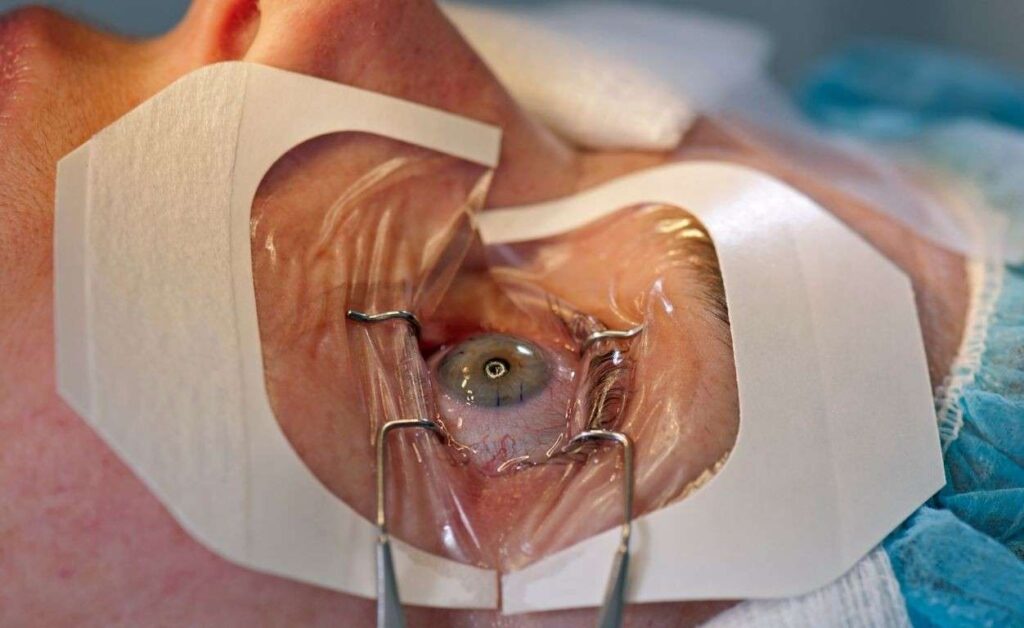
3. Emily, 32 – SMILE
“SMILE seemed futuristic. The laser removed tissue through a tiny incision, and the recovery was almost painless. Knowing that the technology is designed to preserve corneal strength reassured me throughout the process.”
4. Daniel, 38 – LASIK
“I loved how precise the laser technology is. The procedure was only 15 minutes per eye, and I noticed improvements almost immediately. Understanding the science behind it helped reduce my anxiety.”
5. Hannah, 25 – PRK
“PRK required a bit longer healing, but I appreciated the scientific approach. Eye drops and follow-up visits helped my eyes adapt. Six months later, my vision is stable, and I’m thrilled with the results.”
Common Challenges and How Patients Overcame Them
Even with advanced technology, patients may face challenges:
- Dry eyes: Using prescribed lubricating drops and staying hydrated helped alleviate discomfort.
- Light sensitivity: Sunglasses and limiting screen time reduced irritation.
- Blurry or fluctuating vision: Patience and consistent follow-ups ensured smooth recovery.
- Anxiety about laser technology: Understanding the precision and safety of lasers provided reassurance.
Patients emphasize that following their ophthalmologist’s instructions is crucial for optimal outcomes.
Tips and Advice from Patients
- Do thorough research: Learn the science behind LASIK, PRK, and SMILE.
- Choose an experienced surgeon: Knowledge and precision are key.
- Follow aftercare instructions: Eye drops, sunglasses, and rest are vital.
- Plan for recovery: Schedule time off work and avoid strenuous activities initially.
- Stay patient: Vision improves over time, especially with PRK.
Benefits Patients Experienced After Surgery
- Clear vision without glasses or contacts
- Enhanced confidence and independence
- Freedom to enjoy sports and daily activities
- Minimal ongoing maintenance
- Long-term satisfaction and quality of life improvements
Understanding the science behind laser eye surgery and combining it with real patient experiences demonstrates why this procedure is one of the most effective vision correction options available today.
Conclusion: Knowledge Empowers Decisions
The science behind laser eye surgery explains how these advanced procedures can safely and effectively correct vision problems. Coupled with patient experiences, it provides a comprehensive understanding of recovery, challenges, and benefits. Consult a qualified ophthalmologist, follow aftercare guidelines, and make an informed decision to achieve the clarity and convenience of improved vision.
FAQS
Patients often report mild pressure, watery eyes, or temporary haziness. While some anxiety is normal, most feel relieved knowing the laser precisely reshaped their cornea for clearer vision.
Vision improvement depends on the procedure. LASIK and SMILE patients often notice clearer vision within 24–48 hours, while PRK patients may require 1–2 weeks for optimal clarity.
Common challenges include dry eyes, light sensitivity, and fluctuating vision. Following prescribed eye drops, wearing sunglasses, and attending follow-ups helped patients overcome these issues effectively.
Yes. LASIK and SMILE generally offer faster recovery, while PRK may involve longer healing. Individual factors like age, eye health, and lifestyle also influence the recovery experience.