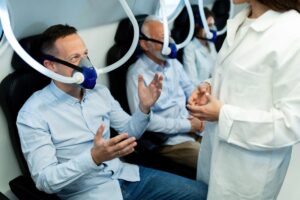
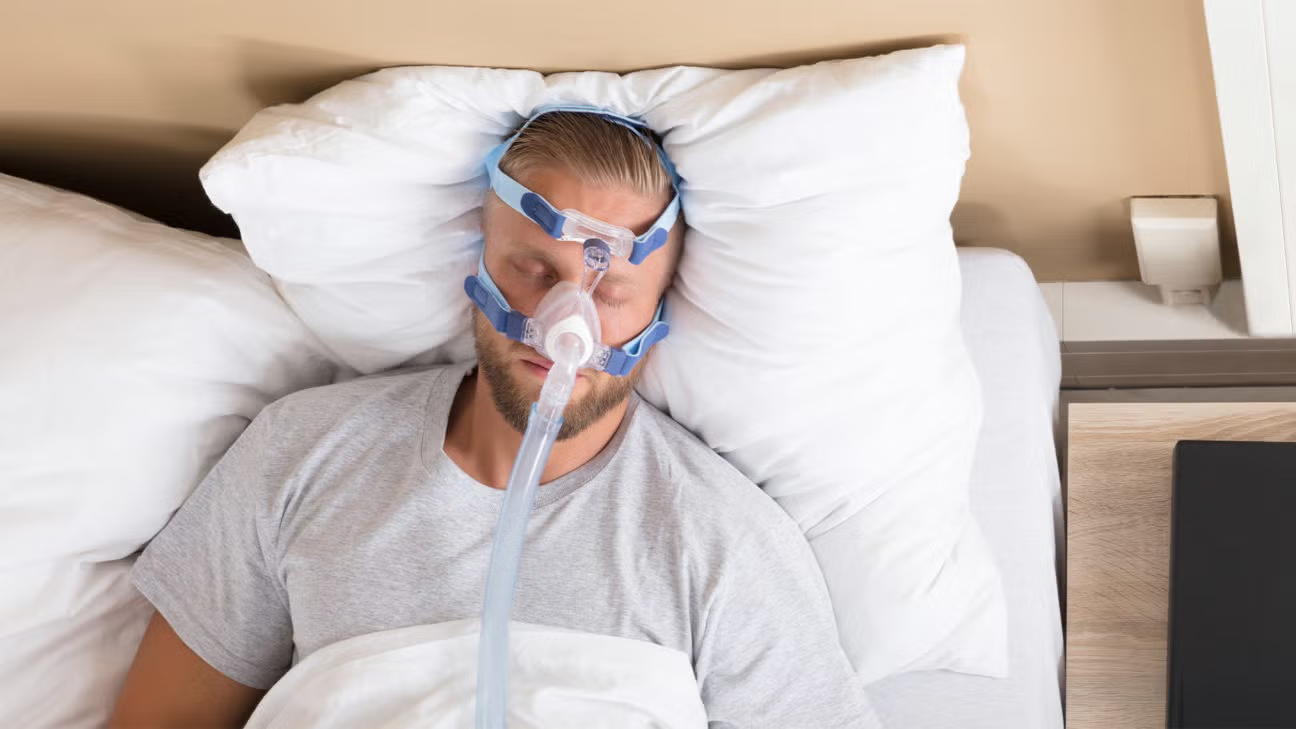
Sleep is an essential component of human health, influencing everything from cognitive function to emotional well-being. In recent years, sleep study machines have gained prominence as tools for diagnosing and understanding sleep disorders. This article delves into how these machines operate, what they measure, and their significance in the realm of sleep medicine.
Understanding Sleep Study Machines
Sleep study machines, often referred to as polysomnography (PSG) devices, are sophisticated instruments used to monitor various physiological parameters during sleep. These machines are typically employed in sleep laboratories or can be used at home in the form of portable devices. The primary goal of these machines is to provide comprehensive data that can help healthcare professionals diagnose sleep disorders such as sleep apnoea, insomnia, and restless leg syndrome.
Sleep study machines are invaluable tools in the field of sleep medicine, providing critical insights into the complexities of sleep and its impact on health. By understanding how these machines work and what they measure, patients and healthcare providers can work together to address sleep disorders effectively. The journey towards better sleep begins with awareness and understanding, paving the way for improved health and well-being.
The Components of a Sleep Study Machine
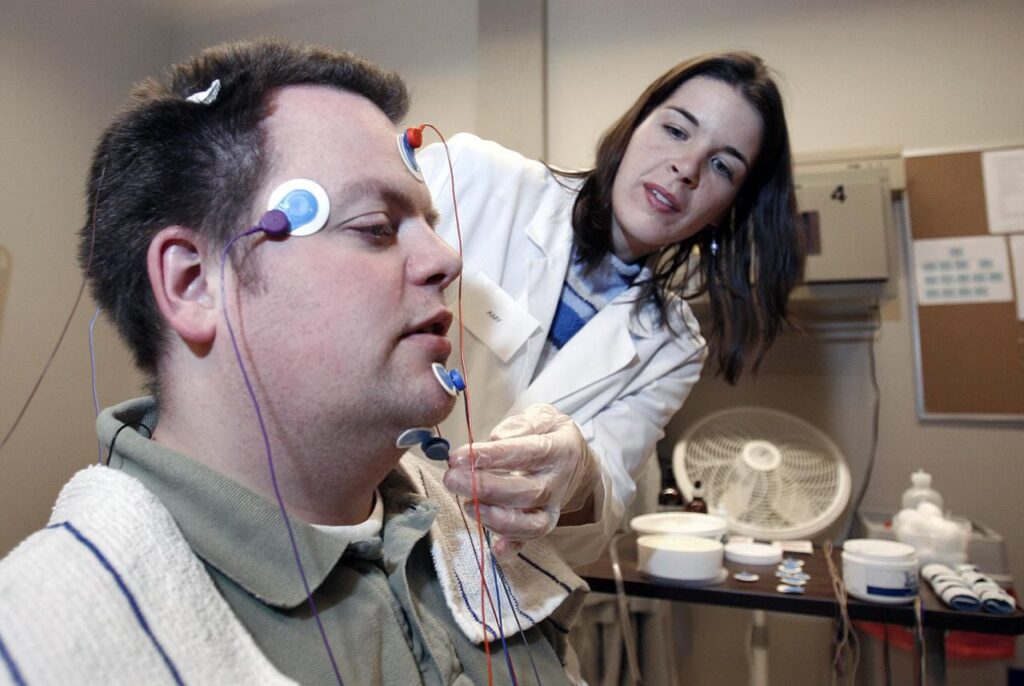
A sleep study machine comprises several components that work together to collect data. The key elements include:
- Electrodes: These are placed on the scalp, face, and body to measure brain activity, eye movements, and muscle tone.
- Oximeter: This device clips onto a finger or earlobe to monitor blood oxygen levels throughout the night.
- Chest and abdominal belts: These belts measure respiratory effort by detecting movements of the chest and abdomen.
- Microphone: This records snoring and other sounds that may indicate sleep disturbances.
Each of these components plays a crucial role in providing a comprehensive overview of the patient’s sleep patterns and any potential disorders.
Read more at: Sleep Apnea Home Test Kit Australia: Diagnose Sleep Issues from Home
Types of Sleep Studies
There are several types of sleep studies that can be conducted using sleep study machines, each tailored to specific needs:
- Polysomnography (PSG): This is the most comprehensive sleep study, measuring brain waves, oxygen levels, heart rate, and breathing, as well as eye and leg movements.
- Home Sleep Apnoea Testing (HSAT): A simplified version of PSG that can be conducted at home, focusing primarily on breathing patterns and oxygen levels.
- Multiple Sleep Latency Test (MSLT): This test measures how quickly a person falls asleep in a quiet environment, often used to diagnose narcolepsy.
Each type of study serves a unique purpose and is selected based on the patient’s symptoms and medical history.
How Sleep Study Machines Work
The operation of a sleep study machine involves several steps, from setup to data analysis. Understanding this process can demystify the experience for patients and caregivers alike.
Setup and Preparation
Before the sleep study begins, patients undergo a preparation phase that includes:
- Consultation: A healthcare provider discusses the patient’s sleep history and symptoms to determine the appropriate type of study.
- Electrode Placement: During the setup, electrodes are placed on the scalp, face, and body. This process is generally painless and takes about 30-45 minutes.
- Calibration: The machine is calibrated to ensure accurate readings, and patients are instructed on how to use any additional equipment, such as an oximeter. Read more about oximeter on https://www.ncbi.nlm.nih.gov/books/NBK470348/
Patients are typically advised to maintain their normal sleep routines to ensure the study reflects their usual sleep patterns.
Data Collection During the Study
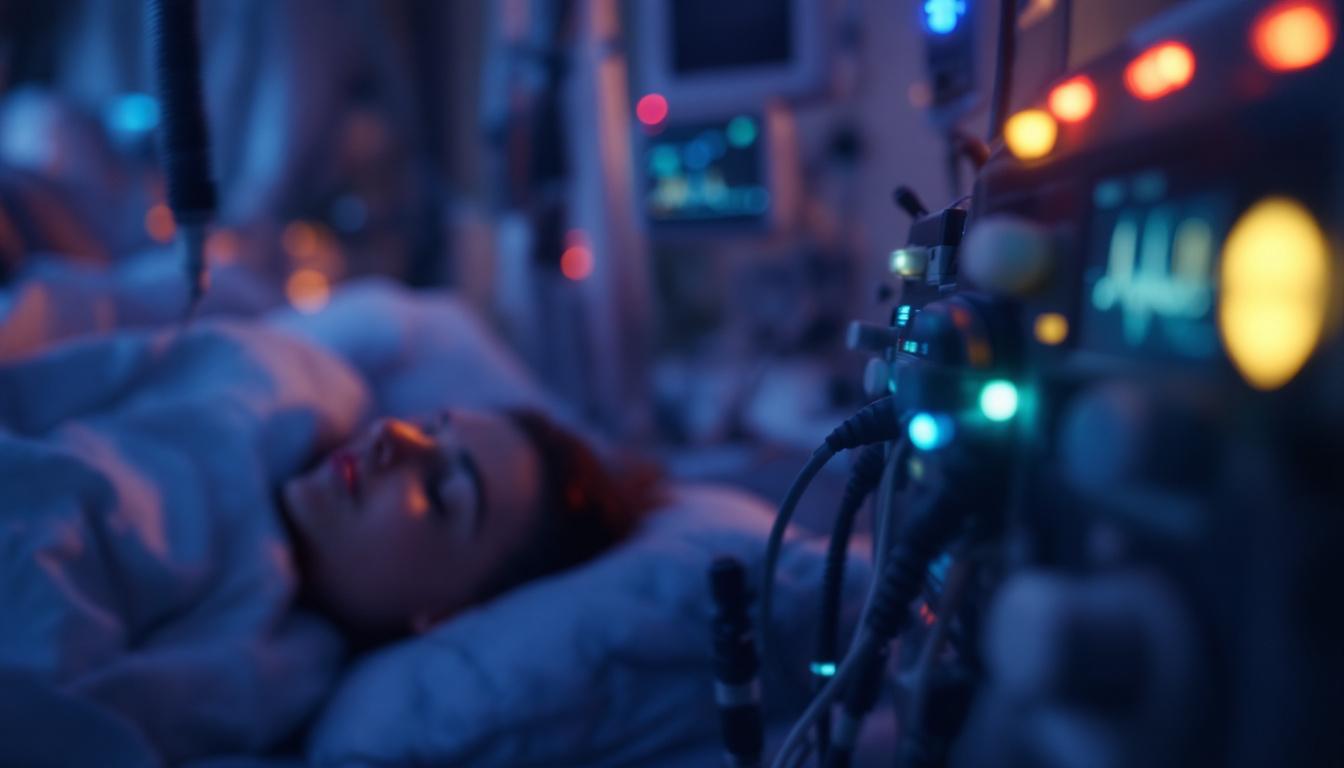
Once the setup is complete, the sleep study machine begins collecting data as the patient sleeps. The machine records various parameters, including:
- Brain Activity: Electrodes measure brain waves, which help identify different sleep stages, including REM (rapid eye movement) and non-REM sleep.
- Heart Rate and Rhythm: Continuous monitoring of heart rate provides insights into cardiovascular health during sleep.
- Breathing Patterns: The machine tracks the patient’s breathing, identifying any interruptions or irregularities that may indicate sleep apnoea.
- Oxygen Saturation: The oximeter measures the percentage of oxygen in the blood, which is crucial for assessing respiratory function during sleep.
This data is stored for analysis, providing a detailed overview of the patient’s sleep architecture and any disturbances that occur throughout the night.
Data Analysis and Interpretation
After the sleep study is complete, the collected data is analysed by a sleep specialist. The analysis involves:
- Scoring Sleep Stages: The specialist reviews the brain wave patterns to determine the duration and quality of each sleep stage.
- Identifying Events: Any apnoeas (pauses in breathing), hypopnoeas (shallow breathing), or other sleep-related events are documented.
- Generating Reports: A comprehensive report is created, summarising the findings and providing recommendations for treatment or further investigation.
This analysis is crucial for diagnosing sleep disorders and tailoring appropriate treatment plans for patients.
What Sleep Study Machines Measure
Sleep study machines measure a wide array of physiological parameters that are critical for understanding sleep health. The following are some of the key metrics assessed during a sleep study: To read more about physiological click here.
Brain Activity
Brain activity is measured through electroencephalography (EEG), which records electrical impulses in the brain. This data is essential for determining:
- Sleep Stages: The machine identifies different stages of sleep, including light sleep, deep sleep, and REM sleep, each of which plays a unique role in overall health.
- Sleep Architecture: The structure and pattern of sleep cycles are analysed to assess the quality of sleep and identify any disruptions.
Understanding brain activity during sleep helps clinicians identify conditions such as insomnia or sleep apnoea.
Respiratory Function
Respiratory function is a critical aspect measured during sleep studies. Key metrics include:
- Apnoea-Hypopnoea Index (AHI): This index quantifies the number of apnoeas and hypopnoeas per hour of sleep, providing a clear indication of the severity of sleep apnoea.
- Respiratory Effort: The machine measures the effort required to breathe, helping to identify any obstructions in the airway.
These measurements are vital for diagnosing sleep-related breathing disorders and determining the appropriate treatment options.
Cardiovascular Health
Monitoring cardiovascular health during sleep is another crucial function of sleep study machines. Key assessments include:
- Heart Rate Variability: Changes in heart rate during sleep can indicate stress levels and overall cardiovascular health.
- Blood Pressure Monitoring: Some sleep studies include blood pressure measurements to assess the impact of sleep disorders on cardiovascular function.
Understanding the relationship between sleep and cardiovascular health is essential for developing comprehensive treatment plans.
The Importance of Sleep Studies
Sleep studies play a vital role in diagnosing and managing sleep disorders, with far-reaching implications for overall health and well-being. The importance of these studies can be summarised in several key points:
Accurate Diagnosis
Sleep studies provide objective data that can lead to accurate diagnoses of various sleep disorders. This is particularly important as many sleep disorders can mimic other health issues, making accurate diagnosis essential for effective treatment.
Personalised Treatment Plans
With the insights gained from sleep studies, healthcare professionals can develop personalised treatment plans that address the specific needs of each patient. This may include lifestyle changes, behavioural therapies, or the use of medical devices such as continuous positive airway pressure (CPAP) machines for sleep apnoea.
Improved Quality of Life
By diagnosing and treating sleep disorders, sleep studies can significantly improve patients’ quality of life. Better sleep leads to enhanced cognitive function, improved mood, and a lower risk of chronic health conditions.