
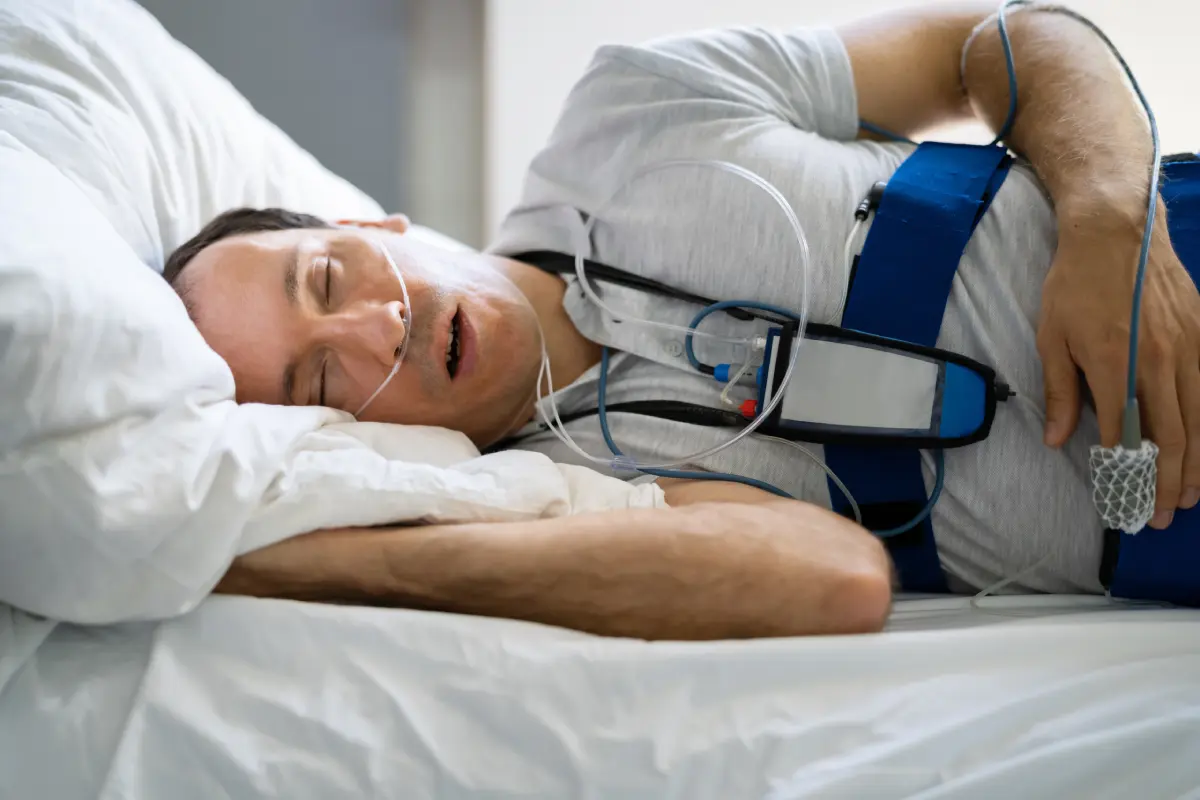
Sleep is an essential component of overall health and well-being, yet millions of Australians struggle with sleep disorders, particularly sleep apnea. This condition, characterised by interrupted breathing during sleep, can lead to serious health complications if left untreated. Fortunately, advancements in medical technology have made it possible for individuals to diagnose sleep apnea from the comfort of their own homes using sleep apnea home test kits. This article explores the benefits, types, and procedures involved in using these kits, as well as the importance of seeking professional guidance.
Understanding Sleep Apnea
Sleep apnea is a common sleep disorder that affects individuals of all ages, although it is more prevalent in middle-aged and older adults. The condition is primarily categorised into three types: obstructive sleep apnea (OSA), central sleep apnea (CSA), and complex sleep apnea syndrome. OSA is the most common form, occurring when the muscles in the throat relax excessively during sleep, causing a temporary blockage of the airway.
Sleep apnea is a serious condition that can significantly impact quality of life and overall health. Home sleep apnea test kits Australia provide a valuable tool for individuals to assess their sleep patterns conveniently and effectively. By understanding the signs and symptoms of sleep apnea and utilising home testing options, Australians can take proactive steps toward better sleep health. However, it is vital to follow up with healthcare professionals to ensure accurate diagnosis and appropriate treatment, paving the way for improved sleep and enhanced well-being.
Symptoms of sleep apnea can vary but often include loud snoring, gasping for air during sleep, excessive daytime sleepiness, and difficulty concentrating. If left untreated, sleep apnea can lead to serious health issues, including cardiovascular problems, diabetes, and even stroke. Recognising the signs and seeking diagnosis is crucial for effective management.
Signs and Symptoms of Sleep Apnea
Identifying sleep apnea can be challenging, especially since many symptoms occur during sleep. However, there are several indicators that may suggest the presence of this disorder:
- Loud Snoring: Often reported by partners, loud snoring is a common symptom of obstructive sleep apnea.
- Gasping or Choking: Individuals may experience episodes of gasping or choking during sleep, which can disrupt their rest.
- Daytime Fatigue: Excessive sleepiness during the day is a significant indicator, as it results from interrupted sleep cycles.
- Morning Headaches: Frequent headaches upon waking can be a sign of sleep-related breathing disorders.
The Role of Home Test Kits
Home test kits for sleep apnea offer a convenient and accessible way for individuals to assess their sleep patterns without the need for an overnight stay in a sleep clinic. These kits are designed to monitor various physiological parameters that indicate sleep apnea, such as airflow, oxygen levels, and heart rate.
Utilising a home test kit can provide valuable insights into sleep patterns and help determine whether further medical evaluation is necessary. This approach is particularly beneficial for those who may feel uncomfortable in a clinical setting or have difficulty accessing traditional sleep studies.
Learn more on; Sleep Study Machine: How It Works and What It Measures
Types of Sleep Apnea Home Test Kits
There are several types of home test kits available in Australia, each designed to cater to different needs and preferences:
- Type 1 Tests: These comprehensive tests monitor multiple parameters, including airflow, oxygen saturation, and heart rate. They are typically recommended for individuals with moderate to severe symptoms.
- Type 2 Tests: These kits are slightly less comprehensive but still provide essential data on airflow and oxygen levels. They are suitable for individuals with mild symptoms.
- Type 3 Tests: These are the simplest kits, often focusing on airflow and snoring. They are best for those who want a preliminary assessment before seeking further evaluation.
How to Use a Sleep Apnea Home Test Kit
Using a sleep apnea home test kit is a straightforward process, designed to be user-friendly for individuals. Here’s a step-by-step guide on how to use these kits effectively:
- Preparation: Before using the kit, ensure you read the instructions thoroughly. Familiarise yourself with the components of the kit and how to set it up.
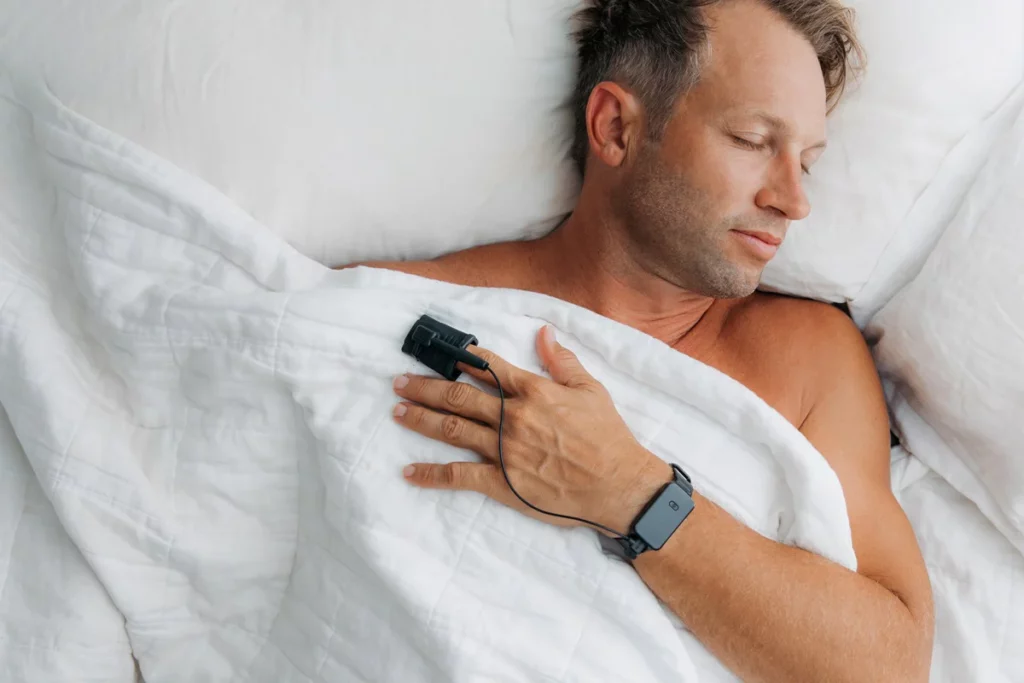
- Setup: Most kits will require you to attach sensors to your body. This may include a nasal cannula to monitor airflow and a pulse oximeter to measure oxygen levels. Ensure all sensors are securely attached.
- Sleep Monitoring: Once set up, wear the kit as you would normally sleep. It is essential to maintain your usual sleeping position to obtain accurate results.
- Data Collection: The kit will automatically record data throughout the night. Ensure you follow any specific instructions regarding the duration of monitoring. Find more about monitoring on https://edgh.washington.edu/courses/monitoring-and-evaluation-in-global-health/
- Return the Kit: After use, return the kit to the provider as per their instructions for analysis. You will receive a report detailing your sleep patterns and any potential issues.
Interpreting the Results
Once the data is collected and analysed, you will receive a report that outlines key findings related to your sleep patterns. Understanding these results is crucial in determining the next steps:
- Normal Results: If the test indicates no significant issues, you may be advised to maintain a healthy sleep routine and monitor your sleep habits.
- Suspected Sleep Apnea: If the results suggest the presence of sleep apnea, it is essential to consult a healthcare professional for further evaluation and treatment options.
- Severe Cases: In instances of severe sleep apnea, immediate medical intervention may be necessary, including the possibility of a CPAP (Continuous Positive Airway Pressure) machine or other therapies.
Benefits of Using Home Test Kits
There are numerous advantages to using sleep apnea home test kits, making them an appealing option for many individuals:
- Convenience: Home test kits allow individuals to conduct tests in their own environment, eliminating the stress associated with clinical settings.
- Cost-Effective: Home testing is often more affordable than traditional sleep studies, making it accessible for a broader range of individuals.
- Immediate Results: Many kits provide quick turnaround times for results, allowing individuals to address their sleep issues sooner.
Limitations of Home Test Kits
While home test kits offer many benefits, they also have limitations that should be considered:
- Accuracy: Home tests may not be as comprehensive as in-lab studies, potentially leading to false negatives or positives.
- Not Suitable for Everyone: Individuals with complex medical histories or severe symptoms may require more extensive evaluation in a sleep clinic.
- Limited Monitoring: Home kits may not monitor all parameters that a sleep specialist would assess in a clinical setting, such as brain activity.
Consulting a Healthcare Professional
Regardless of the results obtained from a home test kit, consulting a healthcare professional is crucial for proper diagnosis and treatment. A doctor can provide insights into the implications of the results and recommend appropriate interventions based on individual needs. Click here to find more about interventions.
In some cases, further testing may be required to confirm a diagnosis or assess the severity of the condition. Healthcare professionals can also offer guidance on lifestyle changes, treatment options, and ongoing management strategies to improve sleep quality.
When to Seek Help
It is essential to seek medical advice if you experience any of the following:
- Persistent daytime sleepiness that affects your daily activities.
- Frequent episodes of gasping or choking during sleep.
- High blood pressure or other cardiovascular issues.
- Difficulty concentrating or memory problems.
Conclusion