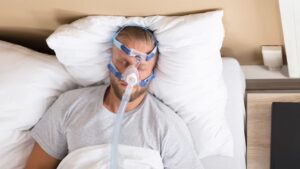
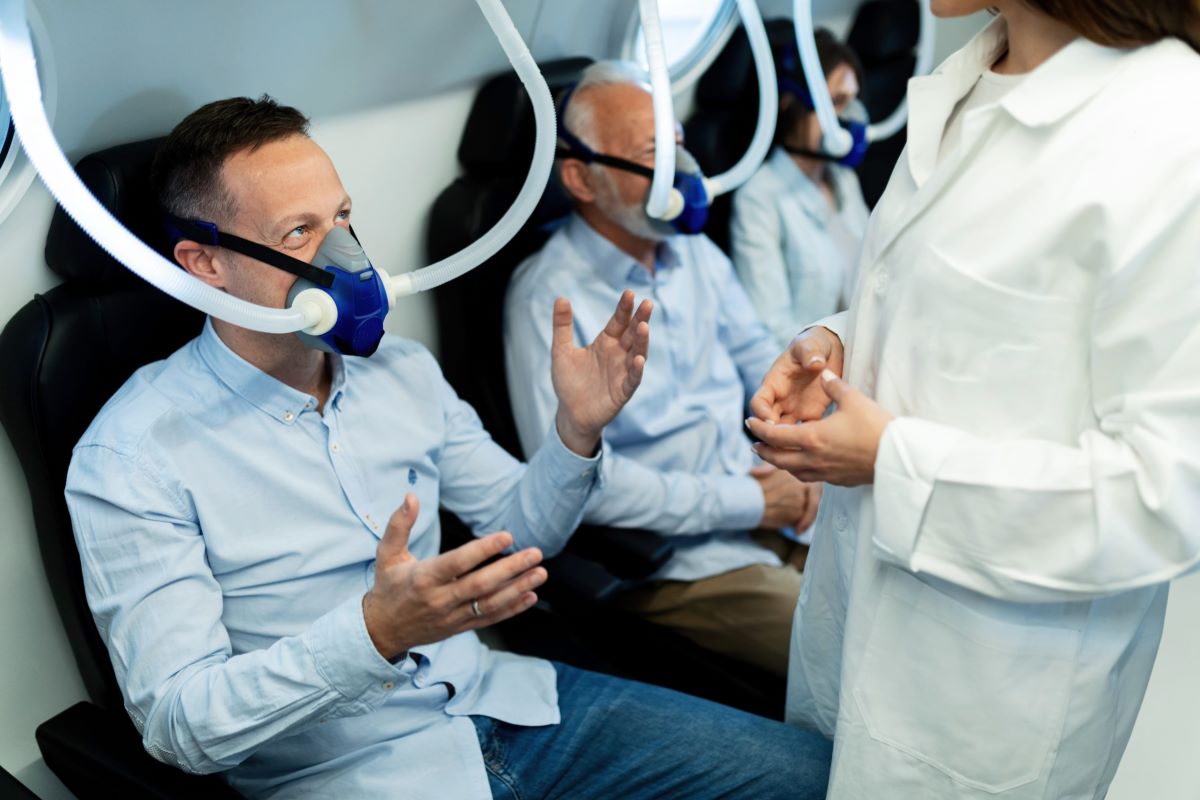
CPAP is the classic, fixed-pressure option. APAP is the auto-adjusting option that changes pressure as breathing changes. For many people, either can work well, but the “best” choice depends on their sleep patterns, comfort, and what their clinician prescribes.
What is a CPAP machine?
A CPAP machine delivers one set pressure all night. It is typically prescribed after a sleep study or titration determines the pressure needed to prevent airway collapse.
Because the pressure does not change, CPAP can feel very consistent. That stability is a key reason many clinicians still consider it the default option, especially when someone’s needs are predictable.
What is an APAP machine?
An APAP (Automatic Positive Airway Pressure) machine adjusts pressure within a prescribed range. It increases pressure when it detects signs of obstruction, like flow limitation, snoring, or apneas, and lowers it when higher pressure is not needed.
That flexibility can make it feel more comfortable for people whose pressure needs vary. It is also commonly used when fixed pressure is hard to tolerate or when needs change across the night.
How do CPAP and APAP actually deliver pressure differently?
CPAP stays at one number, such as 10 cm H₂O, from start to finish. APAP works within a range, such as 6 to 14 cm H₂O, and continuously “hunts” for the lowest effective pressure.
In practical terms, CPAP feels steady, while APAP can feel like it “ramps up” at certain moments. Some people barely notice the changes, while others are more sensitive to them.
Who is CPAP usually best for?
CPAP is often a good fit for people whose pressure needs are stable and well-established. If they primarily sleep in one position, have consistent apnea severity, or do not experience big night-to-night variation, fixed pressure can be simple and effective.
It can also be helpful for people who prefer predictability. Some sleepers find constant pressure easier to adapt to than a machine that changes sensations during sleep.
Who is APAP usually best for?
APAP is often a strong choice for people whose pressure needs vary by sleep stage, body position, congestion, alcohol intake, or weight changes. If their apnea is worse on their back or during REM sleep, APAP can raise pressure only when needed.
It can also help those who struggle with higher fixed pressures. Because APAP may run lower for much of the night, it can reduce dryness, leaks, or discomfort for some users.
Which one is more comfortable for most people?
APAP is often perceived as more comfortable because it can stay at lower pressures when possible. Lower pressure can mean fewer mask leaks, less bloating, and less “air push” sensation.
That said, comfort is personal. Some sleepers dislike pressure changes and sleep better with CPAP’s steadiness. Mask fit, humidity settings, and exhalation relief features can matter as much as the machine type.
Which one is better for treating sleep apnea?
Both can treat obstructive sleep apnea effectively when settings are correct and the user wears the mask consistently. The bigger predictor of success is adherence, meaning whether they can actually sleep with it nightly.
In some cases, CPAP is preferred when a precise pressure is clearly effective. In other cases, APAP can improve real-world use because it is easier to tolerate, especially early on. Click here to get more about using aerobika device.
What should they know about prescriptions and settings?
Neither should be self-set without clinical guidance. CPAP is prescribed as a fixed pressure, while APAP is prescribed as a pressure range plus other comfort settings.
If APAP’s range is too wide, it may respond too slowly or run higher than needed. If it is too narrow, it may not adapt enough. Their clinician or sleep technologist usually fine-tunes settings based on therapy data.
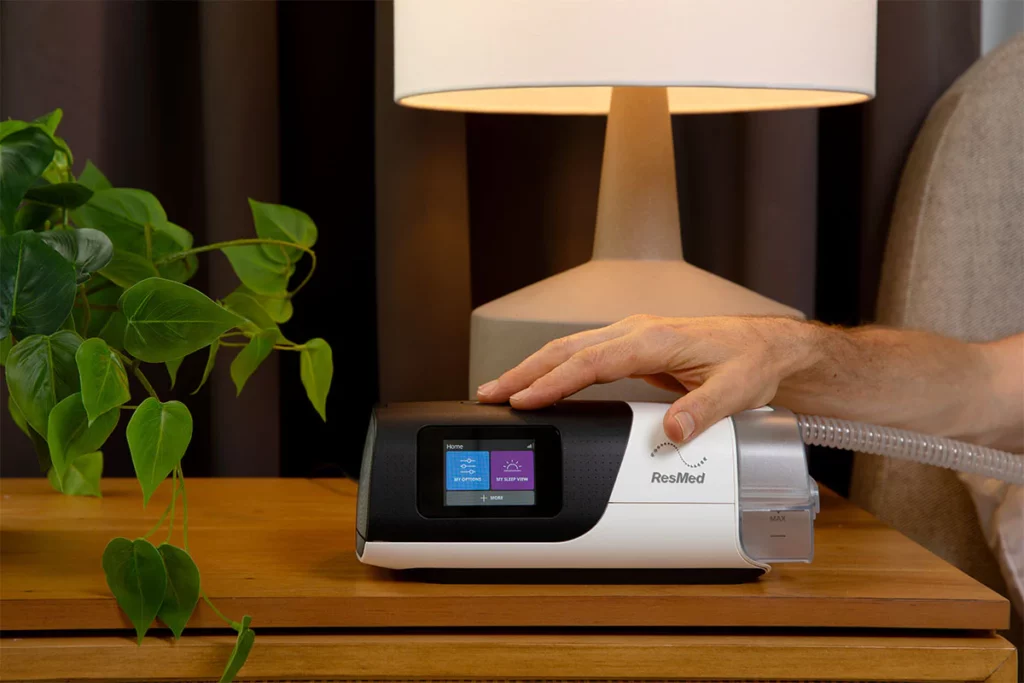
How should they choose between CPAP and APAP?
They should choose the option that matches their prescription, sleep patterns, and tolerance. If they want the simplest approach and their needs are consistent, CPAP can be ideal. If their needs fluctuate or fixed pressure feels difficult, APAP is often worth considering.
The most practical path is to focus on what they can use every night. A “perfect” machine that sits unused will not help, while a comfortable, well-fitted setup often delivers better outcomes over time.
FAQs (Frequently Asked Questions)
What is the difference between CPAP and APAP machines?
CPAP machines deliver a fixed, continuous positive airway pressure throughout the night, while APAP machines automatically adjust pressure within a prescribed range based on detected signs of airway obstruction like snoring or apneas.
Who is best suited for CPAP therapy?
CPAP is ideal for people whose pressure needs are stable and well-established, such as those who primarily sleep in one position with consistent apnea severity, or those who prefer the predictability of steady pressure.
When is APAP therapy recommended over CPAP?
APAP is recommended for individuals whose pressure needs vary due to factors like sleep stage, body position, congestion, or weight changes. It’s also beneficial for those who find fixed higher pressures uncomfortable, as it adjusts to provide the lowest effective pressure.
Which machine offers greater comfort during sleep apnea treatment?
Many find APAP more comfortable because it maintains lower pressures when possible, reducing mask leaks and discomfort. However, comfort is subjective; some prefer CPAP’s steady pressure without fluctuations.
How do prescriptions and settings differ between CPAP and APAP devices?
CPAP devices are prescribed with a fixed pressure determined by a sleep study or titration, while APAP devices are prescribed with a pressure range plus comfort settings. Proper clinical guidance is essential to fine-tune these settings for effective therapy.
How should someone choose between CPAP and APAP machines?
Choosing depends on individual sleep patterns, tolerance, and clinician recommendations. CPAP suits those needing consistent pressure; APAP benefits those with variable needs or difficulty tolerating fixed pressures. Ultimately, adherence and comfort are key to successful treatment.